Label Adhesive Guide: Types, Selection & UAE Climate
Complete guide to label adhesive types: permanent, removable, freezer-grade, high-temp. Expert selection framework for UAE climate conditions.
Label Adhesive Glue: Impact on Bonding and Product Durability
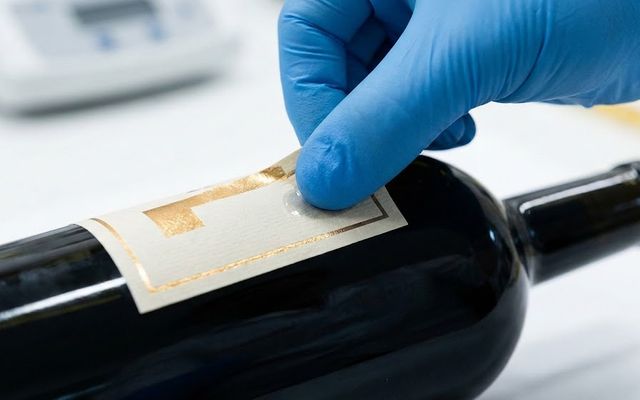
While substrate selection often receives primary attention in adhesive label design, choosing the correct adhesive for labels is equally critical to overall performance. The most beautifully printed adhesive stickers on premium substrates become worthless if the label adhesive glue fails, causing labels to peel, fall off, or leave unwanted residue.
At ASAS Label in Umm Al Quwain, UAE, we understand that labeling adhesive performance determines the success of your project. Our extensive experience serving the UAE's demanding climate—with extreme heat, humidity variations, and diverse application surfaces—has built deep expertise in label adhesive types and optimization..
Adhere immediately upon application (initial tack)
Stay bonded throughout the product lifecycle
Withstand environmental stresses(temperature, moisture, chemicals, UV)
Perform on challenging surfaces (low-energy plastics, textured containers)
Meet functional requirements (permanent, removable, tamper-evident)
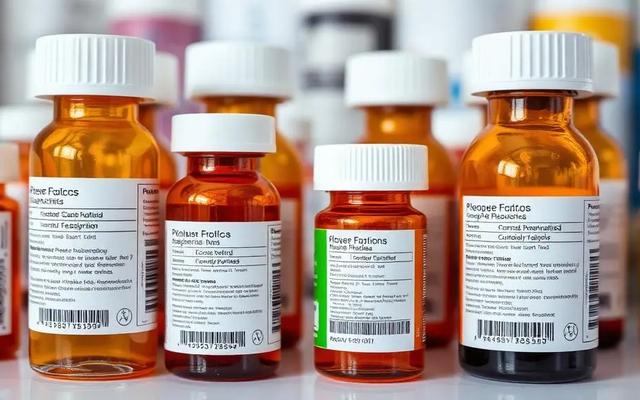
Comply with regulations(food contact, pharmaceutical, chemical labeling)
Understanding Label Adhesives
What is Pressure-Sensitive Adhesive (PSA)?
Pressure-sensitive adhesive forms the critical bonding layer in self-adhesive labels, creating permanent or removable bonds when pressure is applied—without requiring water, solvent, or heat activation.
The PSA Label Construction
- Face Stock (Substrate) - Printable surface
- Adhesive Layer (PSA) - Bonding layer
- Release Liner (Backing) - Protective layer
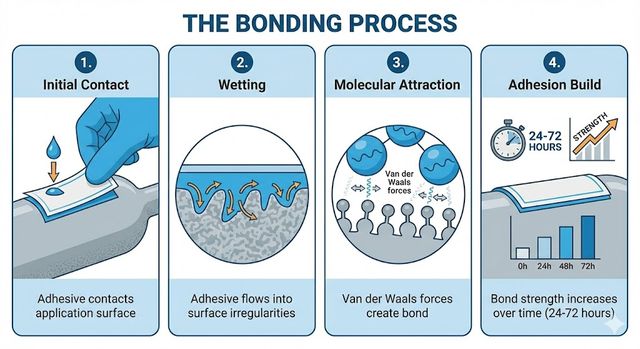
The Bonding Process
- Initial Contact
- Adhesive contacts application surface
- Wetting
- Adhesive flows into surface irregularities
- Molecular Attraction
- Van der Waals forces create bond
- Adhesion Build
- Bond strength increases over time (24-72 hours)
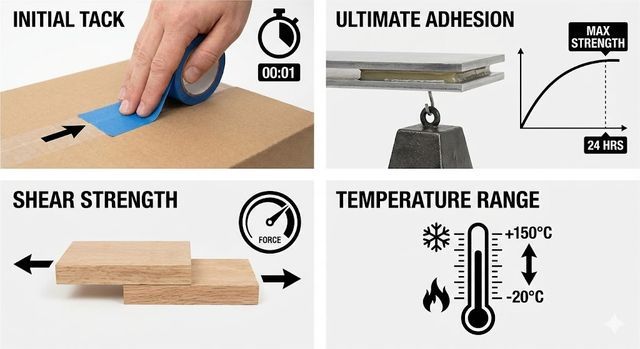
Critical Adhesive Properties
- Initial Tack
- Immediate grab when first applied
- Ultimate Adhesion
- Maximum bond strength after curing
- Shear Strength
- Resistance to sliding under load
- Temperature Range
- Application and service temperatures
Adhesive Performance Categories
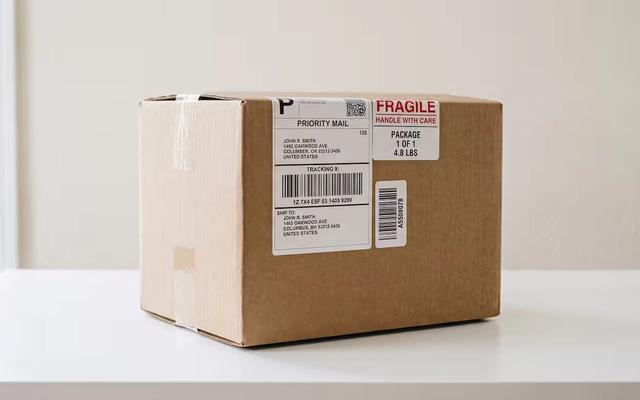
Permanent Adhesives
Create strong, long-lasting bonds designed to resist removal. Attempting to peel permanent labels typically results in label tearing or adhesive transfer.
Key Characteristics
- Very high ultimate adhesion (12-20+ N/25mm)
- Strong initial tack for immediate bonding
- Increasing bond strength over 24-72 hours
- Most economical adhesive category
Ideal Applications
- Product identification labels
- Shipping and logistics labels
- Asset tracking and inventory
- Regulatory and compliance labels
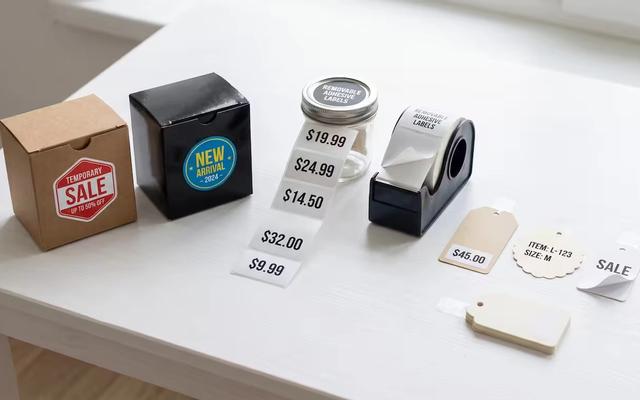
Removable Adhesives
Balance initial bonding strength with clean removal capability, allowing labels to be peeled off without residue, tearing, or surface damage.
Key Characteristics
- Moderate initial tack (sufficient for secure bonding)
- Controlled ultimate adhesion (5-10 N/25mm)
- Clean removal for 6-12 months typically
- Premium pricing (15-30% more than permanent)
Ideal Applications
- Promotional and temporary marketing
- Retail pricing labels and tags
- Reusable container labels
- Event and seasonal products
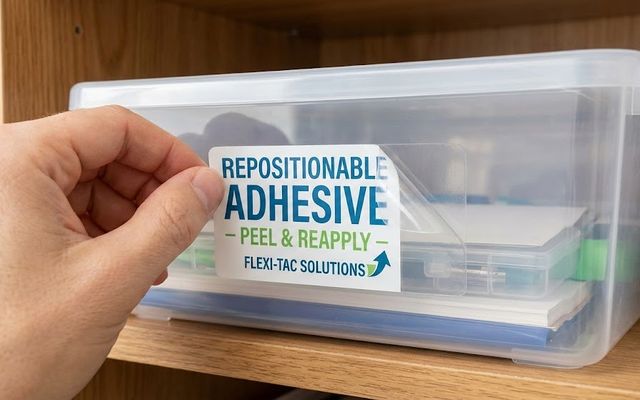
Repositionable Adhesives
Allow multiple removal and reapplication cycles without significant loss of tack or adhesive transfer.
Key Characteristics
- Low to moderate initial tack
- Multiple application cycles (5-20+)
- Microsphere technology for minimal contact
- Premium pricing (30-50% more than permanent)
Ideal Applications
- Multi-use labels requiring repositioning
- Construction and layout guides
- Temporary signage and displays
- Instructional labels
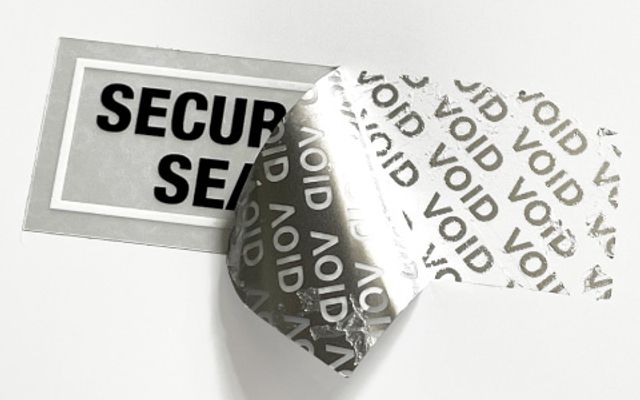
Tamper-Evident & Security Adhesives
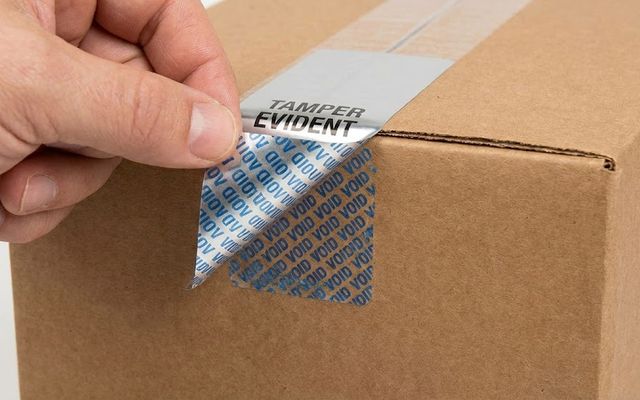
Provide visual indication of label removal attempts, combining security features with adhesive properties.
Key Characteristics
- Ultra-high adhesion (destructible removal)
- VOID patterns revealed upon removal
- Often paired with frangible face stocks
- Security and authentication functions
Ideal Applications
- Promotional and temporary marketing
- Retail pricing labels and tags
- Reusable container labels
- Event and seasonal products
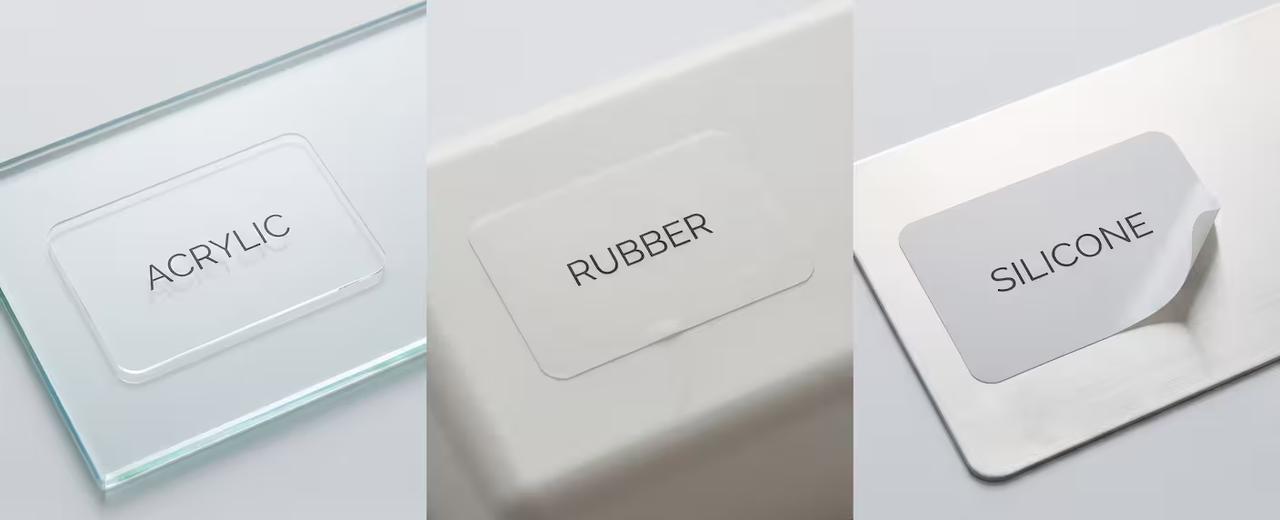
Adhesive Glue Chemistry: Acrylic Adhesive vs Rubber Adhesive
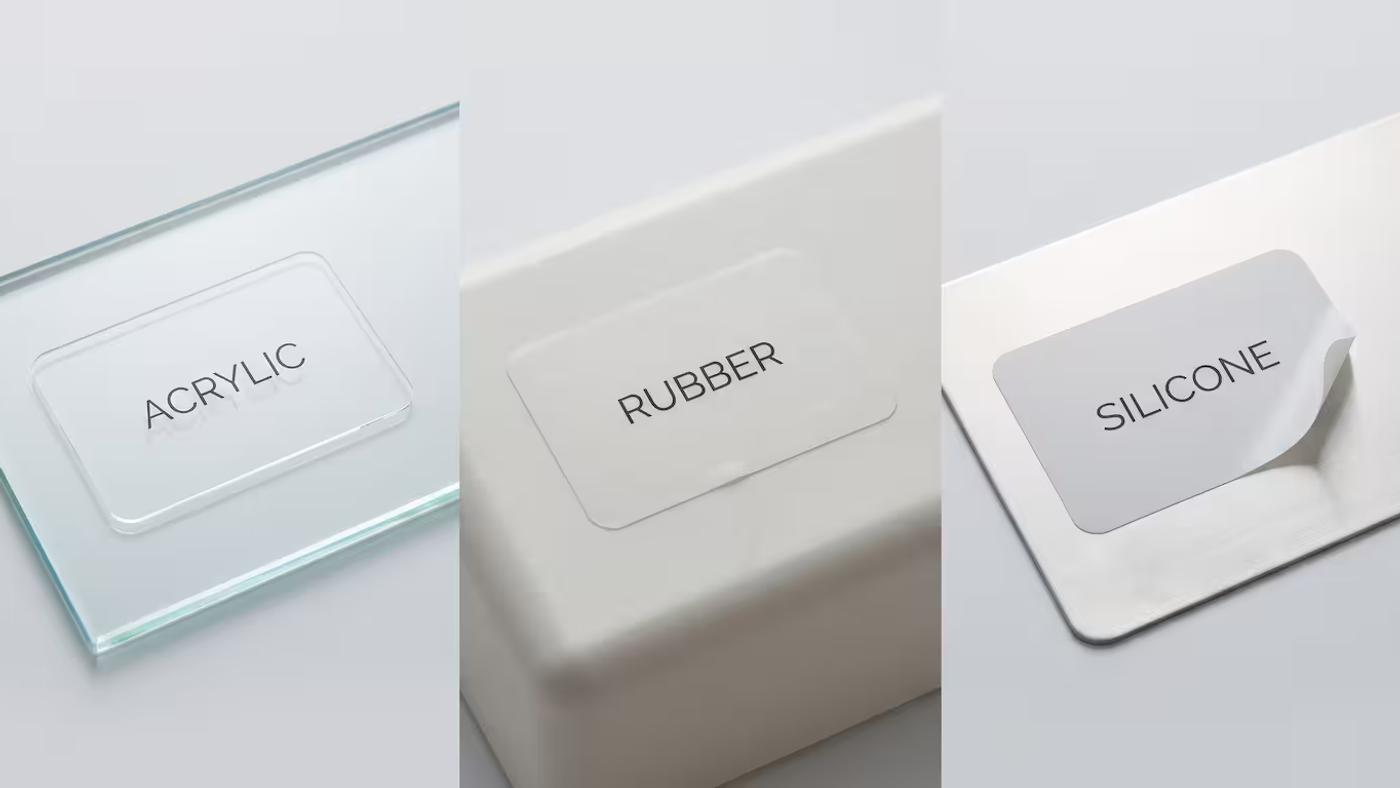
The chemical composition of pressure-sensitive adhesives fundamentally determines performance characteristics, cost, and application suitability.
Rubber-Based (Hot Melt)
Advantages
- Excellent initial tack
- Soft and conformable
- Good low-temp performance (-30°C)
- Cost-effective
Limitations
- Moderate heat resistance (to +80°C)
- UV sensitivity and yellowing
- Limited chemical resistance
- Best for: General purpose labels, corrugated boxes, food & beverage
Acrylic labeling adhesive
Advantages
- Excellent UV resistance
- Superior heat resistance (to +150°C)
- Outstanding aging (10+ years)
- Chemical resistance
Limitations
- Moderate initial tack
- Harder composition
- Premium cost (20-40% more)
- Best for: Outdoor labels, high-temperature, premium products, UAE climate
Silicone Adhesives
Advantages
- Extreme temp range (-60°C to +200°C)
- Chemical inertness
- Low surface energy bonding
- Biocompatibility
Limitations
- Very high cost (3-5x standard)
- Specialty application only
- Extended lead times
- Best for: Medical devices, extreme temperatures, chemical processing
Temperature-Specific Adhesives
Varnishes and coatings provide protective layers and aesthetic enhancements, ranging from overall coverage to selective spot applications.
Temperature explorer
Pick a temperature class to see how it behaves and where it belongs.
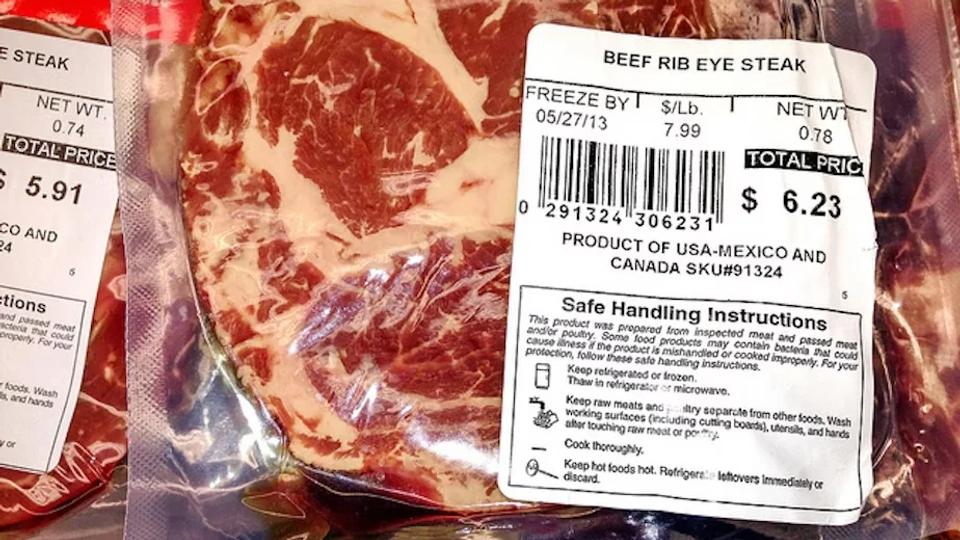
Freezer-Grade Adhesives
Maintain tack and bonding capability at sub-zero temperatures where standard adhesives fail catastrophically.
The Freezer Challenge
Standard permanent adhesives lose tackiness below 5-10°C and fail completely in true freezer conditions (-18°C to -40°C). The adhesive becomes brittle and glass-like.
Key Features
- Low-temperature flexibility to -40°C or below
- Aggressive tack on frozen surfaces
- Moisture resistance from condensation
- Service range: -65°C to +150°C
UAE Cold Chain Applications
- Frozen food distribution
- Pharmaceutical cold storage
- Industrial cold storage facilities
- Food service and hospitality
Surface-Specific Applications for Adhesive Labels and Stickers
Application surface characteristics fundamentally determine adhesive requirements and performance potential.
Surface Energy and Adhesive Compatibility
Surface energy (measured in dynes/cm) indicates how readily a surface accepts adhesive bonding. Higher surface energy equals easier bonding.
Industry Guide for Adhesive Labels and Labelling Adhesives
Different industries present unique adhesive requirements based on regulatory standards, environmental conditions, and functional needs.
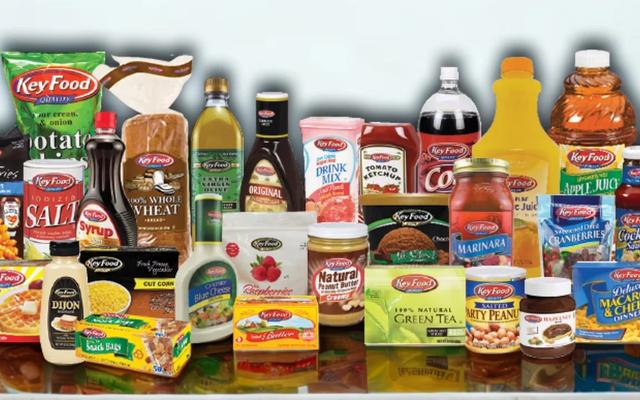
Food & Beverage Industry
Must balance performance with regulatory compliance, ensuring no migration of adhesive components.
- Dry foods
- General purpose permanent/removable
- Refrigerated
- Chiller-grade acrylic (4°C min)
- Frozen
- Freezer-grade hot melt (-40°C)
- Beverages
- Ice bucket resistance, condensation tolerance
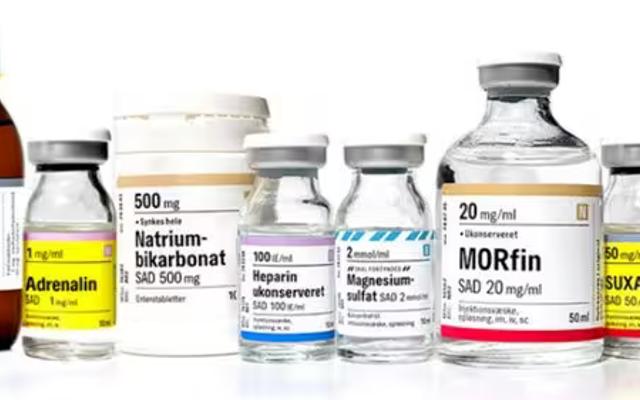
Pharmaceutical adhesive label Industry
Strictest regulatory environment requiring comprehensive documentation and compliance.
- Prescription
- Tamper-evident, long shelf life
- OTC products
- Permanent with tamper features
- Cold chain
- Freezer-grade (-20°C to -80°C)
- Medical devices
- Autoclave resistant (121°C)
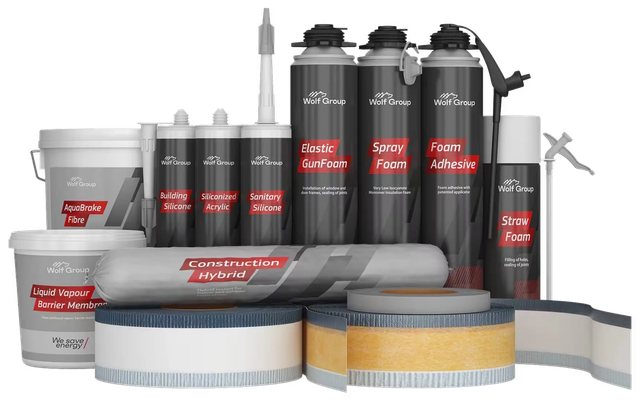
Industrial & Chemical Products
Face harsh environments requiring maximum durability and chemical resistance.
- Mild chemicals
- Permanent with moderate resistance
- Harsh chemicals
- Acrylic/silicone, GHS compliance
- Automotive fluids
- Oil and solvent resistance
- Outdoor equipment
- UV-resistant acrylic (5-10 years)
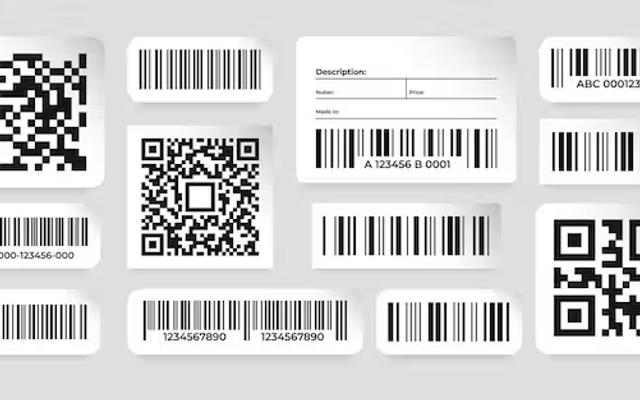
Asset Tracking & Durable Goods
Require exceptional longevity and environmental resistance.
- Indoor assets
- Permanent acrylic (5-10+ years)
- Outdoor assets
- UV-resistant acrylic (10+ years)
- High-value
- Tamper-evident for security
- UAE facilities
- Extreme temperature and UV resistance
UAE Climate Considerations
The United Arab Emirates presents unique adhesive challenges requiring specialized knowledge and material selection.
Extreme Heat Effects
Summer Temperature Profile
- Ambient
- 40-50°C typical
- Direct sun
- 60-80°C on surfaces
- Vehicle interiors
- 60-70°C+
- Warehouses
- 45-55°C internal
Heat-Related Failures
- Edge lifting and curling
- Complete detachment
- Industrial cold storage facilities
- Food service and hospitality
- Solution: Acrylic adhesives for high-temperature exposure
Humidity & Moisture
Coastal Region Humidity
- Dubai, Abu Dhabi, Sharjah experience 60-90% relative humidity, particularly during summer months.
Effects
- Paper dimensional changes
- Adhesive softening
- Edge curling
- Condensation challenges
- Solution: Film substrates with moisture-resistant adhesives
UV Radiation
UAE Sun Intensity
- Year-round intense sunlight with UV index reaching 11+ (extreme) during summer months.
UV Effects
- Hot melt
- Yellowing in 3-6 months
- Adhesive degradation and tack loss
- Acrylic
- 5-10+ years outdoor life
- Solution
- Acrylic adhesives mandatory for outdoor labels
Adhesive Selection Framework
Systematic adhesive selection ensures optimal performance for your specific application.
- 1
Define Application Surface
Material type, surface energy, texture, shape, and cleanliness
- 2
Determine Environmental Conditions
Temperature profile, indoor/outdoor, moisture, chemical exposure, UV exposure, physical abuse
- 3
Identify Functional Requirements
Permanence level, lifespan, regulatory compliance, aesthetic requirements, application method
- 4
Consider Economic Factors
Volume, performance criticality, time-to-market, stock vs. custom lead times
- 5
Test and Validate
Request samples, apply to actual containers, age under real conditions (72 hours minimum)
Common Application Scenarios
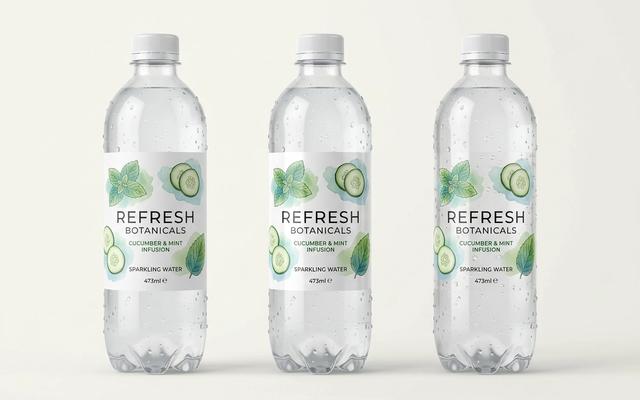
Water Bottles (PET), UAE Retail
Surface: PET bottle, medium-high surface energy
- Environment
- Refrigerated display, ice bucket exposure
- Adhesive
- General purpose permanent acrylic
- Substrate
- Clear or white BOPP film
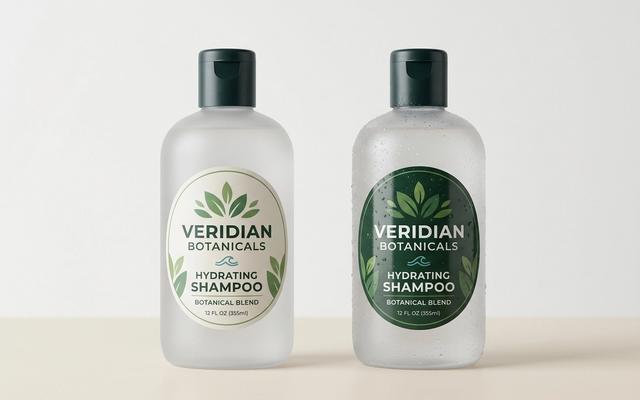
Shampoo Bottles (PE), Squeezable
Surface: Polyethylene, low surface energy, flexible
- Environment
- Bathroom humidity, shower splash
- Adhesive
- Low surface energy (LSE) permanent
- Substrate
- PE film for flexibility
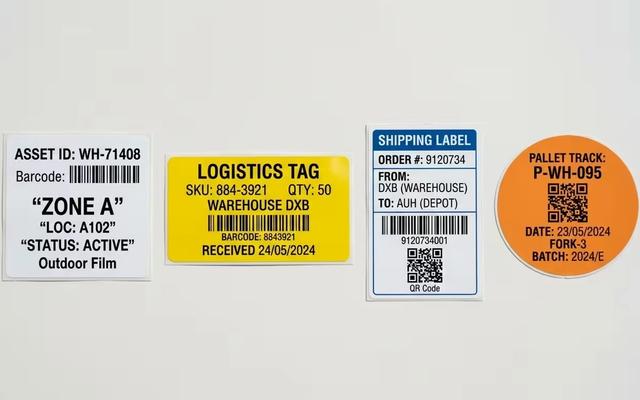
Outdoor Equipment, UAE Climate
- Surface
- Metal, painted surfaces, plastics
- Environment
- Direct sunlight, extreme heat (60-80°C), UV
- Adhesive
- UV-resistant acrylic, high temperature
- Substrate
- PET film with UV-stable inks
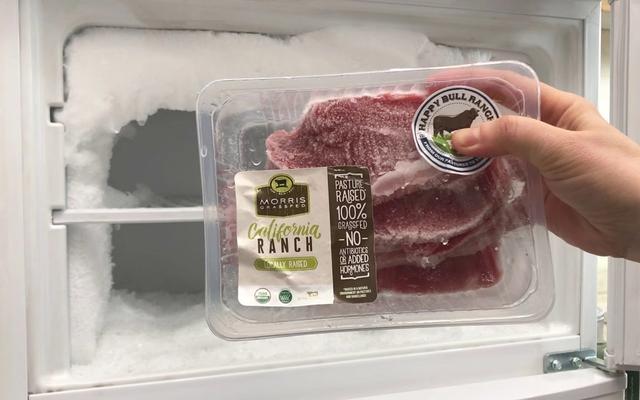
Frozen Food Packaging
Surface: Corrugated box or plastic film, frozen
- Environment
- -18°C to -40°C freezer storage
- Adhesive
- Freezer-grade hot melt (all-temperature)
- Substrate
- BOPP or PE film
Technical Specifications
*Cost Index: Hot melt standard permanent = 1.0 baseline
Label Adhesive Specifications & Performance Comparison
| Adhesive Type (Glue Label) | Initial Tack | Ultimate Adhesion | Temp Range | Chemical Resist. | UV Resist | Cost Index |
|---|---|---|---|---|---|---|
| Hot Melt (Standard) | Very High | High | -20°C to +80°C | Poor | Poor | 1.0 |
| Hot Melt (Freezer) | Very High | High | -40°C to +80°C | Poor | Poor | 1.2-1.3 |
| Emulsion Acrylic | Moderate | Very High | -40°C to +120°C | Good | Excellent | 1.3-1.5 |
| Solvent Acrylic | Moderate-High | Very High | -40°C to +150°C | Excellent | Excellent | 1.5-1.8 |
| Removable (Acrylic) | Low-Moderate | Moderate | -20°C to +80°C | Moderate | Good | 1.4-1.6 |
| Repositionable | Low | Low | -10°C to +60°C | Poor | Moderate | 1.8-2.2 |
| Silicone | Low-Moderate | High | -60°C to +200°C | Excellent | Excellent | 3.0-5.0 |
Peel Adhesion (180-Degree Peel Test)
Summer Temperature Profile
- Standard
- ASTM D3330, FINAT FTM 1, PSTC-101
- Measurement
- Force (N/25mm) to remove label at 180° angle
- Typical values
- Removable 5-10 N/25mm, Permanent 10-20+ N/25mm
Tack (Quick Stick Test)
- Standard
- ASTM D2979, FINAT FTM 9, PSTC-5
- Measurement
- Force to separate probe immediately after contact
Shear Adhesion (Holding Power)
- Standard
- ASTM D3654, FINAT FTM 8, PSTC-107
- Measurement
- Time for weighted label to slide down vertical surface
- Requirements
- General labels 24+ hours, high-temp labels 24+ hours at 70°C
ASAS Label Adhesive Expertise
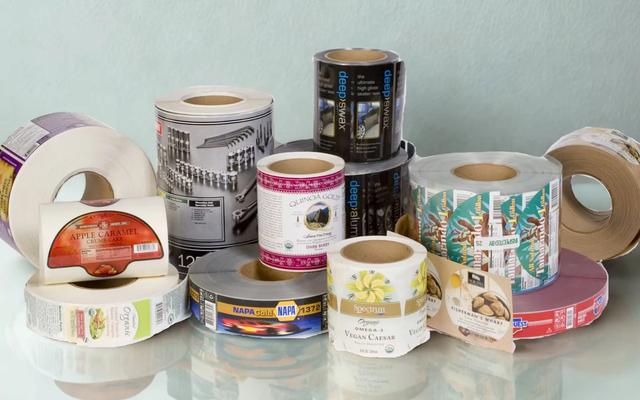
Comprehensive Adhesive Portfolio
Permanent Adhesives
- General purpose, high tack, LSE for PE/PP, ultra-permanent for security
Removable Adhesives
- Short-term (1-3 months), medium-term (6-12 months), long-term (12-24 months)
Specialty Adhesives
- Freezer-grade, high-temperature, all-temperature, tamper-evident, clear adhesives

Free Adhesive Consultation
- Expert evaluation of your application requirements with technical rationale
Comprehensive Testing
- Peel, shear, temperature cycling, chemical exposure, and aging studies
Documentation Support
- MSDS/SDS, compliance certificates, testing reports, specification sheets
UAE Market Expertise
Climate Validation
- 15+ years serving UAE market with deep understanding of local conditions—extreme heat, humidity, UV intensity
Local Stock Positions
- Common adhesive systems stocked in Umm Al Quwain for fast turnaround on standard applications
GCC Regulatory Knowledge
- Familiar with UAE, Saudi, and GCC regulatory requirements for all label types
جاهز لتبدأ مشروع ملصقاتك؟
أدلة ذات صلة
Label Design Guide
Complete guide to label design, dielines, color management & file preparation. Expert insights for print-ready artwork. Free design support included.
اقرأ المزيدLabel Finishing Techniques Guide
Complete guide to label finishing: foiling, embossing, varnishing, lamination & die-cutting. Expert techniques for premium labels in UAE.
اقرأ المزيدLabel Ink Guide
Complete guide to label printing inks: water-based flexo, UV offset, LED curing technology. Expert ink selection for UAE conditions. Food-safe formulations.
اقرأ المزيدLabel Substrate Materials Guide
Complete guide to label substrates: paper, BOPP, PE, PET & specialty films. Compare specs, applications & UAE considerations for optimal label performance.
اقرأ المزيد