Label Materials
Explore paper, synthetic, and specialty label materials. Find the perfect material for your product labels with our comprehensive materials guide.
خامات الملصقات
من الورق الاقتصادي إلى الأفلام الصناعية والخامات المتخصصة.
Eco-friendly and economical paper options for a wide range of applications
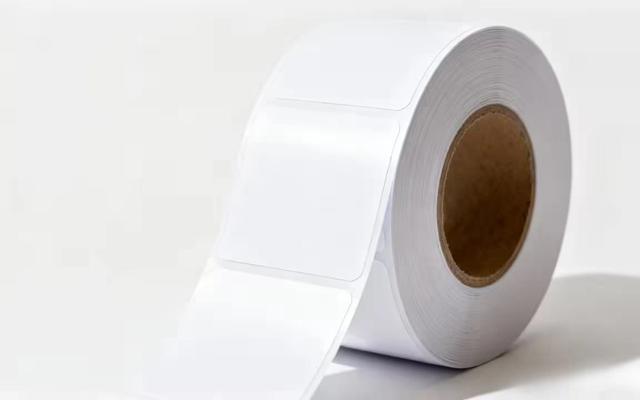 Paper
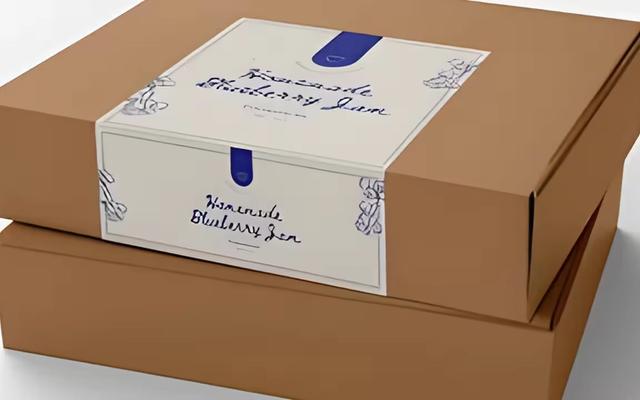
PaperCoated Paper
Smooth, bright white paper with coating
Finishes
- Gloss coated
- Matte coated
Properties
- Good printability
- Economical
- Recyclable
Best for
- General purpose labels
- Food products
- Cosmetics
Limitations
- Not waterproof
- Limited durability
 Paper
PaperUncoated Paper
Natural paper surface
Finishes
- Gloss coated
- Matte coated
Properties
- Natural appearance
- Accepts pen/marker
- Recyclable
Best for
- Craft/artisan products
- Eco-friendly brands
- Writable labels
Limitations
- Not water-resistant
 Paper
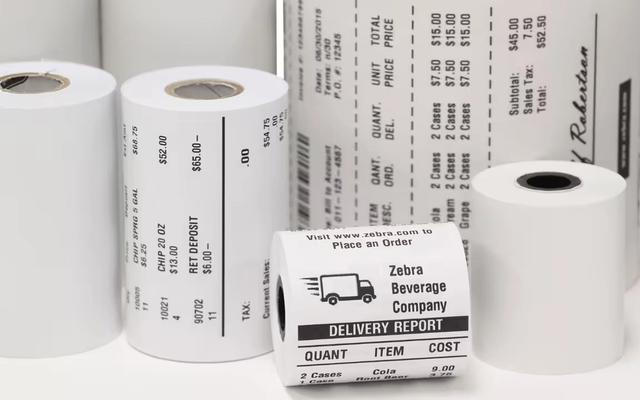
PaperThermal Paper
Heat-sensitive coating for thermal printers
Finishes
- Uncoated
- Tinted/colored base
Properties
- No ink required
- Fast printing
Best for
- Shipping labels
- Receipts
- Airline bag tags
Limitations
- Image darkens/fades with heat
- Poor water/chemical resistance
 Paper
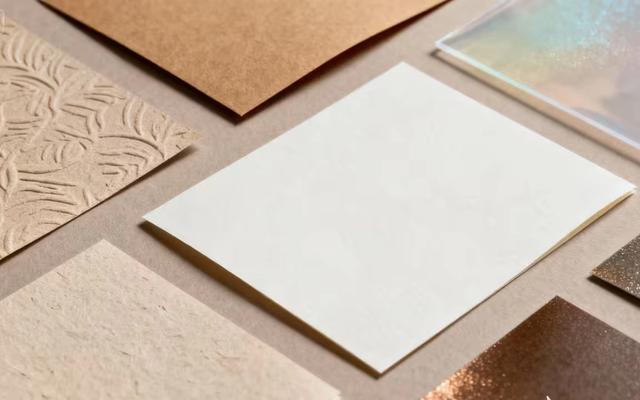
PaperSpecialty Papers
Smooth, bright white paper with coating
Finishes
- Gloss coated
- Matte coated
Properties
- Unique textures
- Premium appearance
- Brand differentiation
Best for
- Premium products
- Artisan goods
- Special editions
Limitations
- Higher material cost
- Lower moisture/oil resistance
Material Selection Guide
Not sure which material is right for your application? Consider these factors:
- Environment: Will labels be exposed to water, chemicals, or extreme temperatures?
- Surface: Are you labeling curved surfaces, flexible packaging, or rigid containers?
- Duration: Is this a temporary promotional label or a permanent product identifier?
- Budget: Balance cost with performance requirements for your specific application.
مقارنة الخامات
نطاق الحرارة ومقاومة الرطوبة والكيماويات والتكلفة النسبية — جنبًا إلى جنب.
| الخامة | نطاق الحرارة | مقاومة الرطوبة | مقاومة الكيماويات | التكلفة النسبية |
|---|---|---|---|---|
| Semi-Gloss Paper60–80 gsm | −10°C to +60°C | Poor | Poor | 1.0× (baseline) |
| Cast Coated Paper60–80 gsm | −10°C to +60°C | Moderate | Poor | 1.3–1.5× |
| White BOPP50–300 microns | −20°C to +80°C | Excellent | Good | 1.4–1.6× |
| Clear BOPP50–300 microns | −20°C to +80°C | Excellent | Good | 1.5–1.7× |
| PE Film50–300 microns | −40°C to +80°C | Excellent | Good | 1.6–1.9× |
| PET Film50–300 microns | −40°C to +150°C | Excellent | Excellent | 2.2–3.0× |
التكلفة النسبية مقارنة بالورق شبه اللامع (1.0×).
أنواع الملصقات التي نستخدمها فيها
كل نوع من هذه الأنواع ينتج في مصنعنا باستخدام هذه الإمكانية.
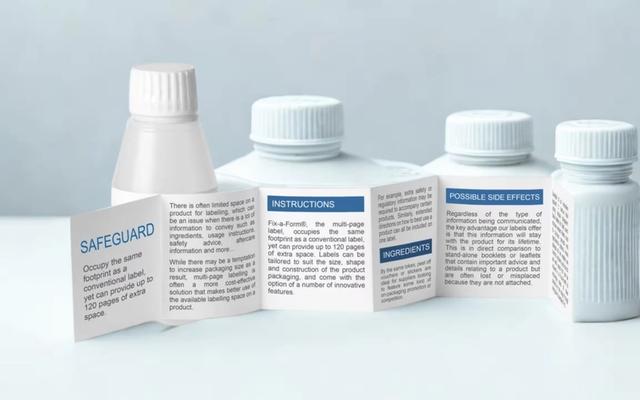
ملصقات كتيّبات
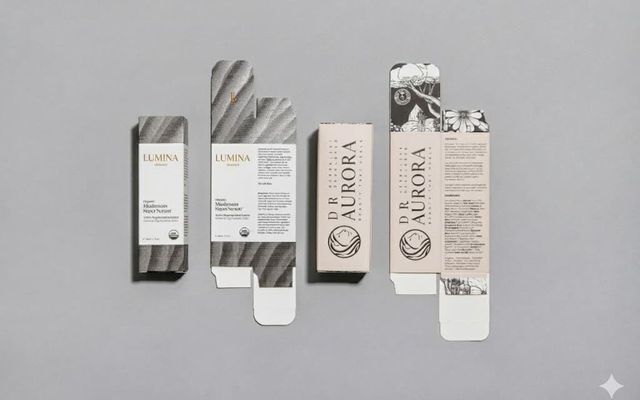
ملصقات متعددة الصفحات قابلة للفتح تحمل تعليمات متعددة اللغات أو نصوصًا تنظيمية أو عروضًا ترويجية ضمن مساحة صغيرة على العبوة.
التفاصيل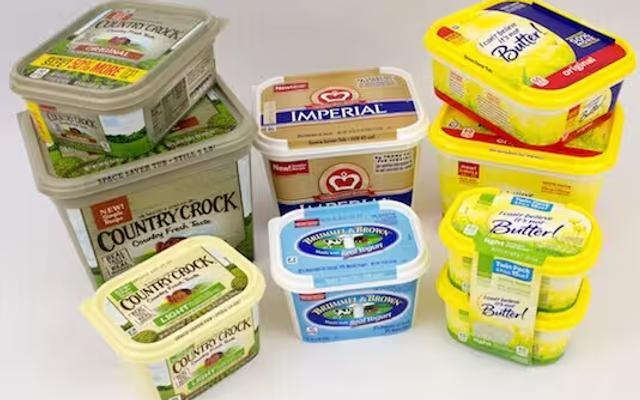
ملصقات داخل القالب
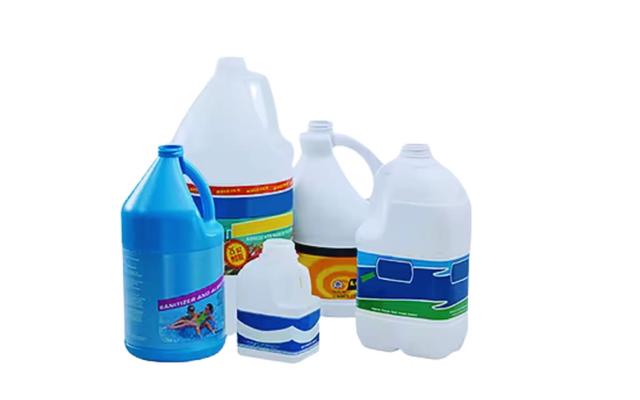
أفلام مطبوعة مسبقًا تُدمج مع العبوة أثناء التشكيل، لتمنح تشطيبًا متينًا وسلسًا يقاوم التقشّر والخدش.
التفاصيل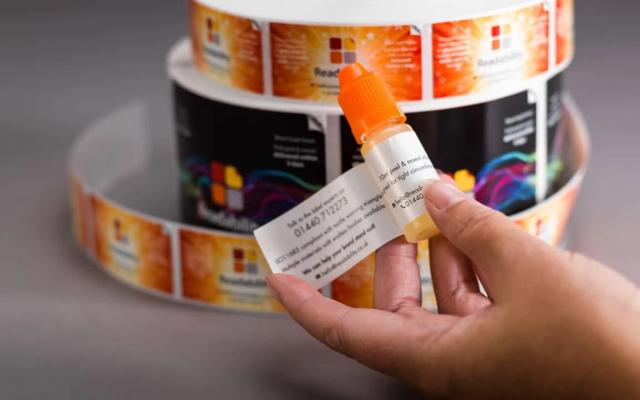
ملصقات متعددة الطبقات
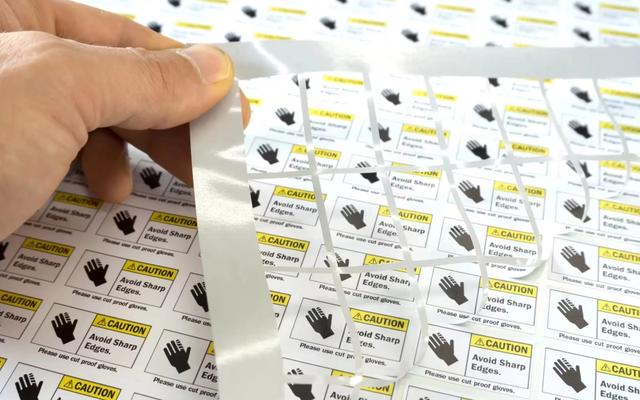
ملصقات بطبقات مخفية تُقشّر لتكشف مساحة إضافية على العبوة للمحتوى التنظيمي أو الترجمات أو الرسائل الترويجية.
التفاصيل
Material questions, answered
How do I choose the right label material?
Four questions decide it. Environment: will the label meet water, chemicals or extreme temperatures? Surface: is the container curved, flexible or rigid? Duration: temporary promotion or permanent product identifier? Budget: paper is the 1.0x baseline, white BOPP 1.4–1.6x, PET and specialty films 2.2–3.0x.
What temperature range does each material handle?
Coated and uncoated papers run −10°C to +60°C. BOPP handles −20°C to +80°C, polyethylene −40°C to +80°C, and polyester (PET) the widest at −40°C to +150°C. If the label sees freezer storage or engine heat, it needs a film, not a paper.
Do paper labels survive UAE humidity?
Not reliably in coastal conditions. Humidity of 60–90% causes dimensional change in paper — curling, edge lift and registration drift. For coastal, chilled or washdown environments we recommend a synthetic film face stock instead.
Do you supply materials for chemical drums and GHS labelling?
Yes. We stock GHS and BS5609-compliant materials for chemical and industrial labelling, alongside FDA and EU-certified stocks for food contact.
What is the difference between paper and synthetic labels?
Papers are roughly 60–65% of the global label market — cost-effective with excellent printability, but not waterproof and limited in durability. Synthetics are 35–40% and buy you moisture, chemical and temperature resistance plus long-term durability of 10+ years.
اطلب عرض سعر
أخبرنا بمواصفات ملصقاتك — النوع والمقاس والخامة والكمية — وسيرد فريق المبيعات بعرض مفصّل.
إمكانيات أخرى
Label Adhesives & Glues
Professional label adhesives for every surface and environment. Permanent, removable, freezer-grade, tamper-evident, and eco-friendly solutions.
اقرأ المزيدPremium Label Finishes
Explore premium label finishing options including foil stamping, embossing, spot UV, and specialty coatings. Elevate your brand with custom finishes.
اقرأ المزيدPremium Label Printing Inks
High-performance UV, offset, water-based & solvent flexographic inks. FDA compliant, eco-friendly formulations. Custom color matching for all industries.
اقرأ المزيدLayout & Packaging Design Services
Expert packaging design combining creativity with technical precision. Custom layouts, structural design, and production-ready solutions for all industries.
اقرأ المزيد