Label Ink Guide
Complete guide to label printing inks: water-based flexo, UV offset, LED curing technology. Expert ink selection for UAE conditions. Food-safe formulations.
How Ink Selection affect Label Quality
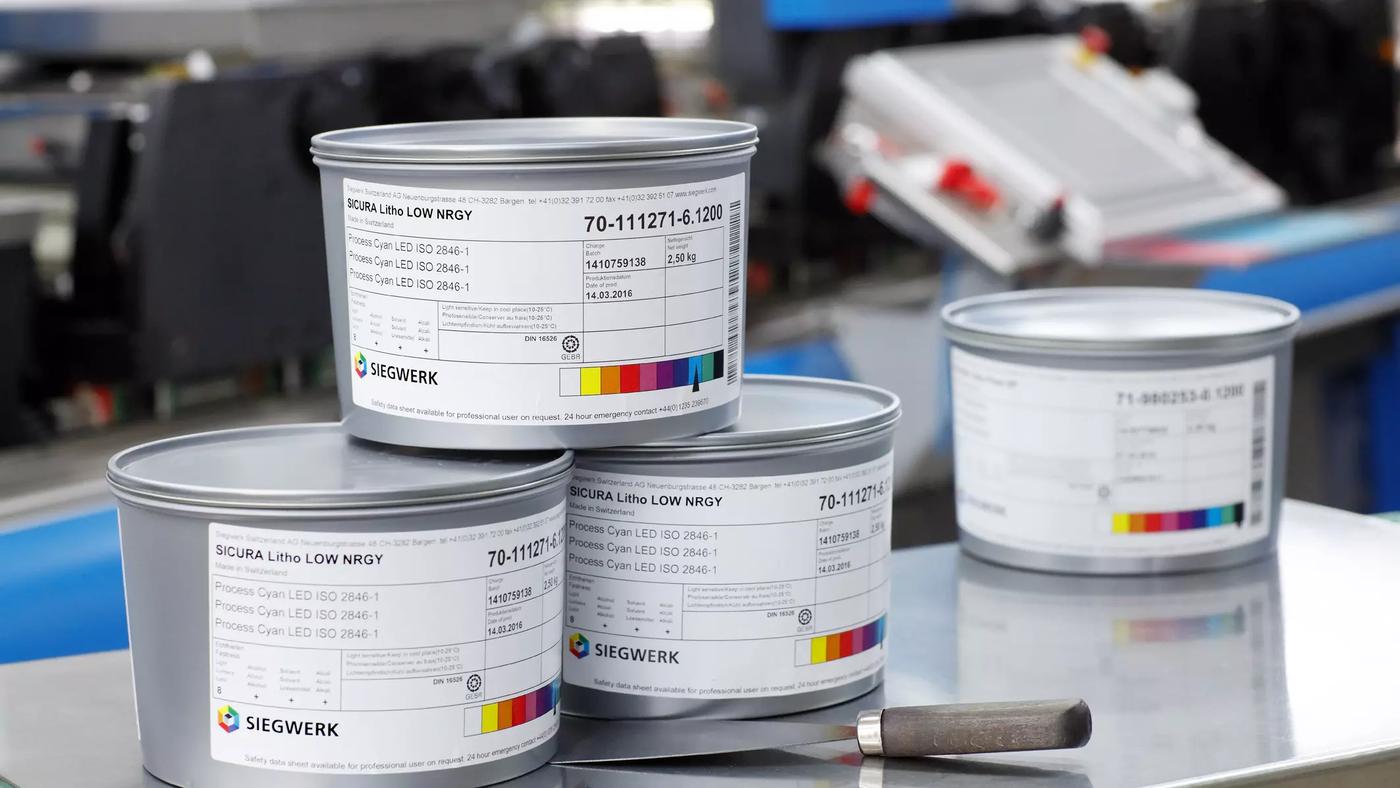
While substrate and adhesive choices provide the foundation for label performance, printing ink selection determines visual quality, durability, and brand representation. The inks applied to your labels must deliver vibrant colors, maintain print integrity throughout the product lifecycle, withstand environmental stresses, and comply with regulatory requirements.
- Water-based flexo inks for eco-friendly printing
- UV-curable offset inks for premium quality
- Specialized formulations for diverse markets
- Brilliant color reproduction with accurate brand matching
- Print durability resisting fading and abrasion
- Substrate adhesion preventing ink rub-off
- Production efficiency with fast curing times
- Regulatory compliance for food and pharmaceutical
Understanding Label Printing Inks
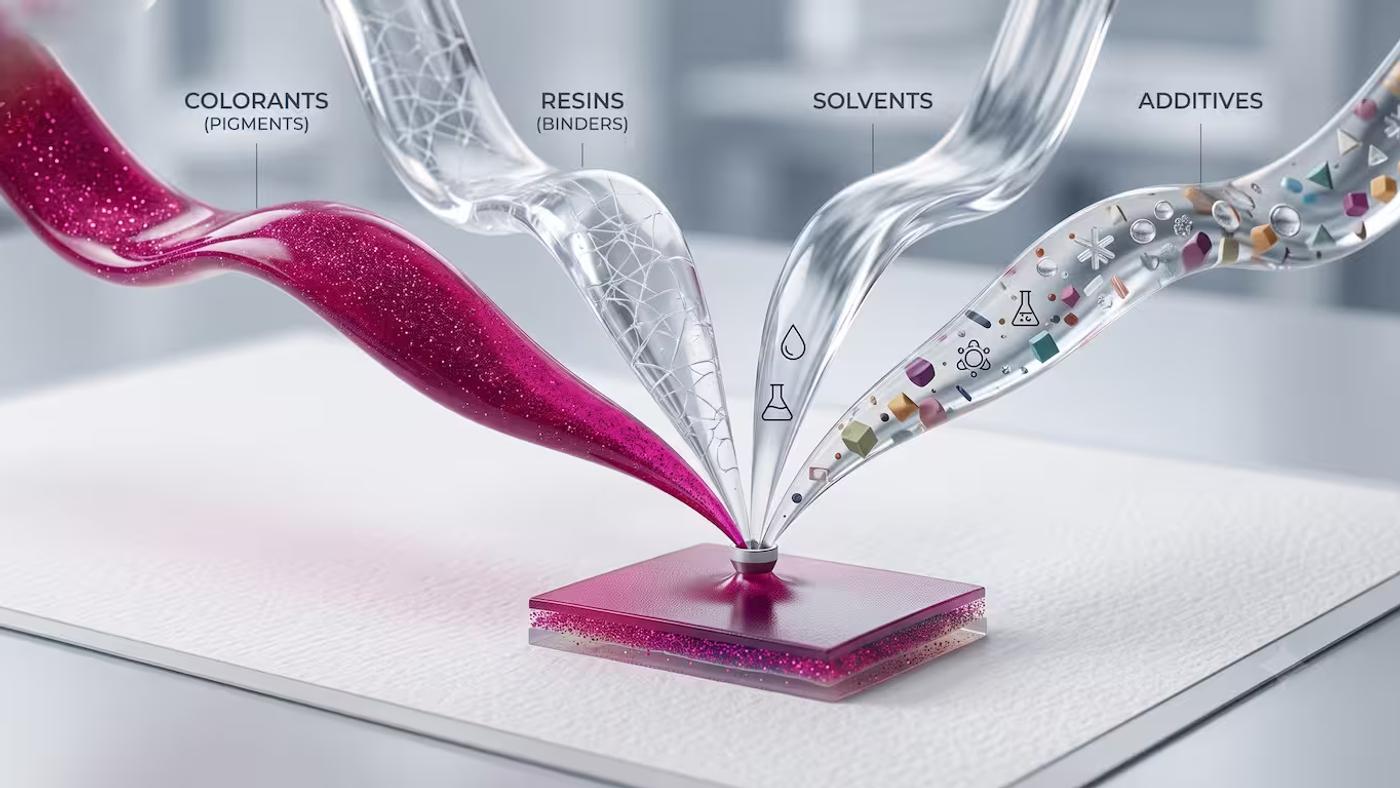
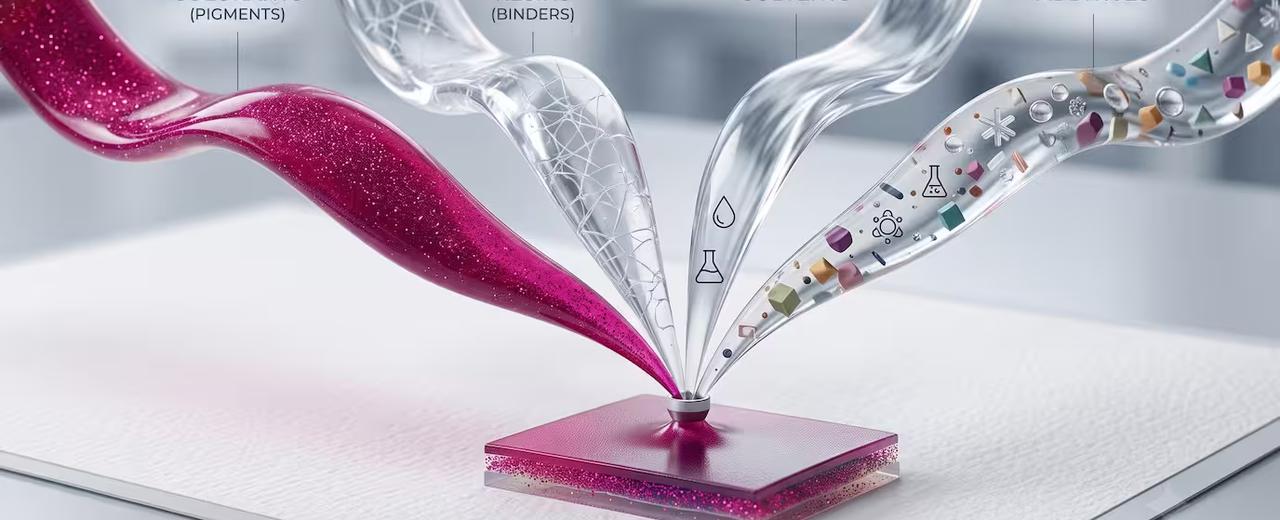
Label printing inks combine four essential components that work together to deliver color, adhesion and durability:
When these four components are correctly balanced for your substrate and application, you get labels that look sharp on day one and still perform after months on shelf or in the field.
Colorants (Pigments)
High-quality organic and inorganic pigments providing brilliant colors with superior lightfastness (Blue Wool Scale 6-8)
Resins (Binders)
Advanced acrylic, polyurethane, and polyamide resins ensuring excellent adhesion, flexibility, and chemical resistance
Solvents or Carriers
Water, alcohols, or zero-solvent UV systems controlling viscosity and enabling proper ink transfer
Additives
Specialized chemicals including defoamers, waxes, photoinitiators, and rheology modifiers optimizing performance
Label Printing Ink Systems
Different printing technologies and applications require specialized ink formulations optimized for performance, durability, and compliance
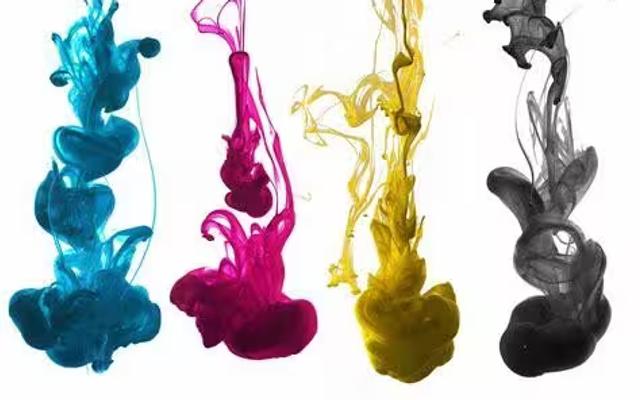
Water-Based Flexographic Inks
Environmentally friendly inks using water as primary solvent, ideal for paper substrates with low VOC emissions
Key Benefits
- Low VOC emissions (<5%)
- Food-safe formulations
- Excellent for paper labels
- Cost-effective solution
Optimal Applications
- Paper labels
- Corrugated packaging
- Food packaging
- Premium beverages
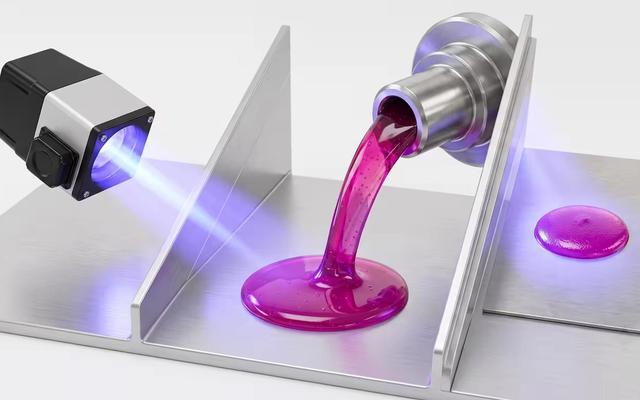
UV Flexographic Inks
Advanced zero-VOC inks with instant curing, delivering exceptional print quality and durability
Key Benefits
- Instant cure (<1 second)
- Zero VOC emissions
- Superior durability
- High productivity
Optimal Applications
- High-speed labels
- Premium products
- Chemical-resistant labels
- Quick-turn projects
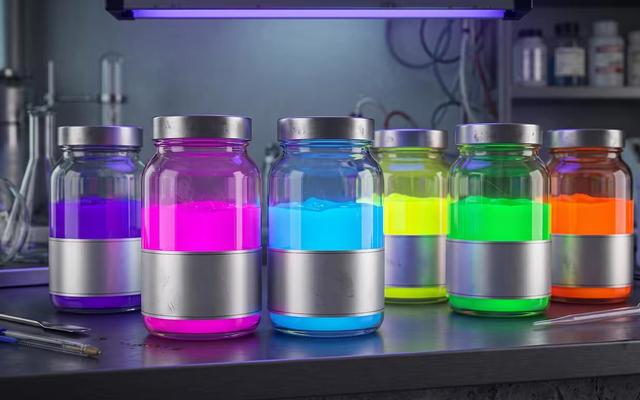
UV Offset Inks
Premium quality inks for exceptional detail, color accuracy, and aesthetic perfection
Key Benefits
- Ultra-high resolution (200+ LPI)
- Instant cure & handling
- Brilliant colors & gloss
- Excellent abrasion resistance
Optimal Applications
- Premium beverages
- Cosmetics
- Pharmaceuticals
- Luxury brands
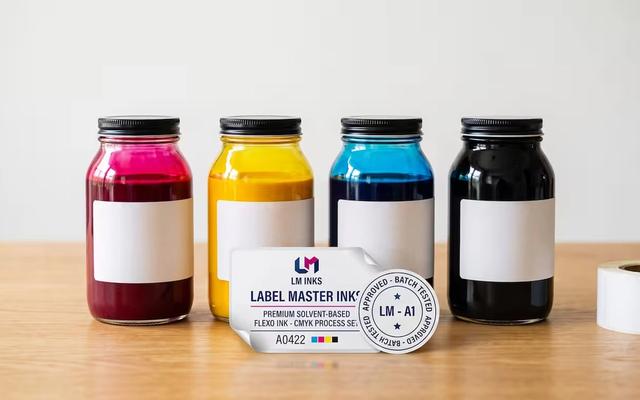
Solvent-Based Flexographic Inks
Fast-drying organic solvent inks with excellent film adhesion and superior gloss
Key Benefits
- Excellent film adhesion
- Fast drying speeds
- Superior gloss finish
- Wide substrate compatibility
Optimal Applications
- Film substrates
- Flexible packaging
- Shrink sleeves
- Industrial labels
UV & LED Curing Technology
Advanced photopolymerization technology delivering instant cure, zero emissions, and exceptional print performance
Instant Curing
Complete polymerization in <1 second enabling immediate handling and finishing operations
Zero VOC Emissions
100% solids system with no solvent evaporation ensuring environmental compliance and workplace safety
Superior Durability
Exceptional abrasion, chemical, and UV resistance from crosslinked polymer network
Energy Efficiency
LED UV technology reducing energy consumption by 70-80% vs traditional UV mercury lamps
UV Curing Process
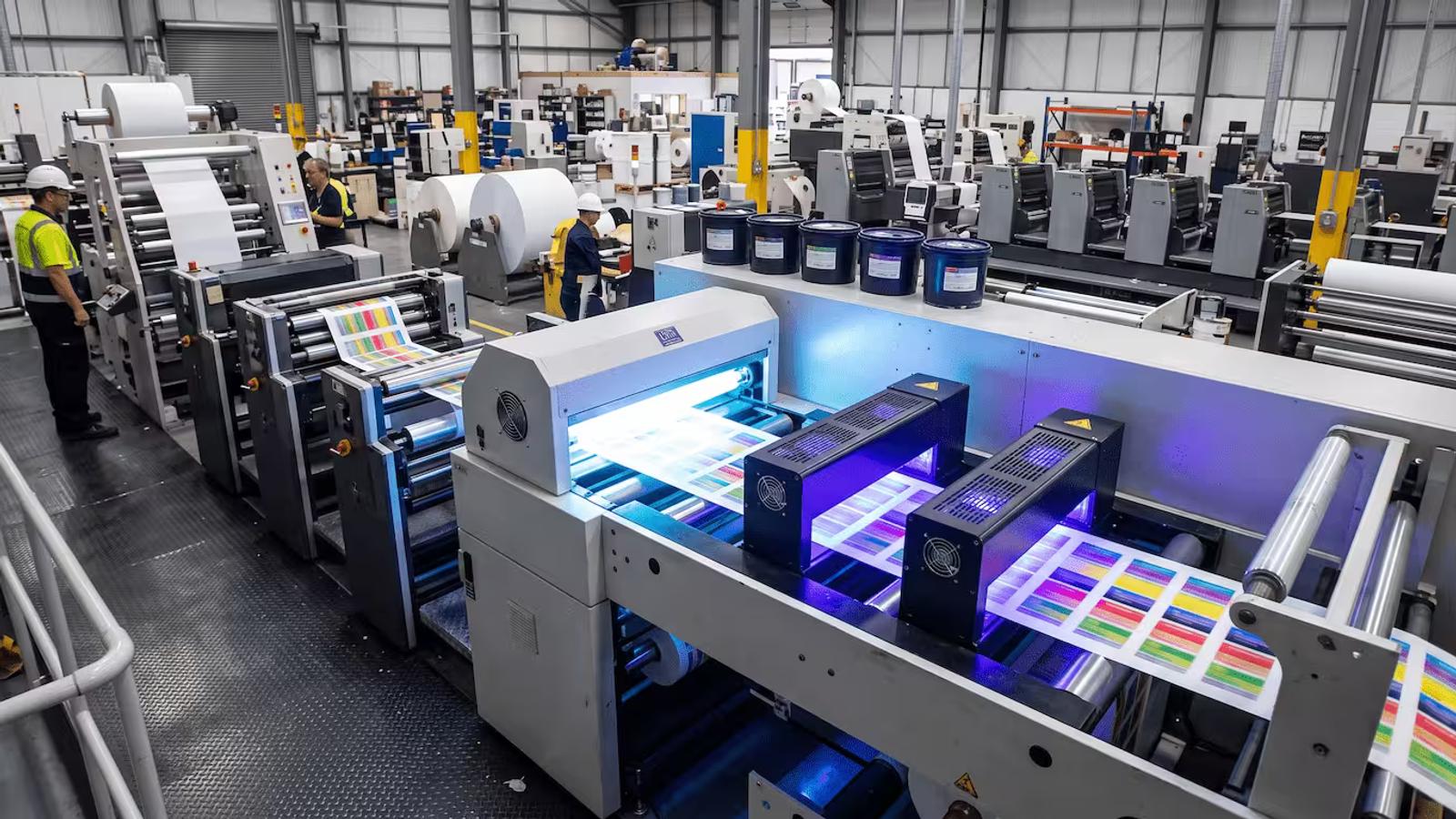
- 1
UV Light Exposure
200-400nm wavelength strikes ink film
- 2
Photoinitiator Activation
Chemicals absorb UV energy
- 3
Free Radical Generation
Reactive species formed
- 4
Polymerization
Oligomers crosslink rapidly
Complete Cure
Solid ink film in <1 second
Print Quality & Performance Factors
Multiple technical factors determine final label quality, requiring expertise and precision control throughout the printing process
Color Management
Spectrophotometric color measurement with Delta E <2.0 target ensuring brand color consistency across production runs
Ink-Substrate Compatibility
Surface energy optimization (38-44 dynes/cm) and proper formulation selection ensuring perfect adhesion
Environmental Resistance
Superior durability against UV exposure, chemicals, moisture, and temperature extremes in UAE climate
Print Quality Excellence
Sharp detail reproduction, smooth solids, vibrant colors, and consistent dot gain control
UAE-Specific Ink Considerations
UAE's challenging climate demands specialized ink formulations optimized for extreme temperatures, intense UV exposure, and coastal humidity
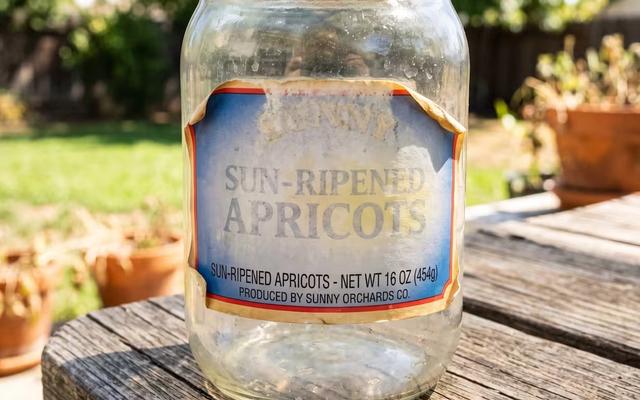
Extreme UV Exposure
High-lightfastness pigments (Blue Wool Scale 7-8) preventing fading in intense desert sun
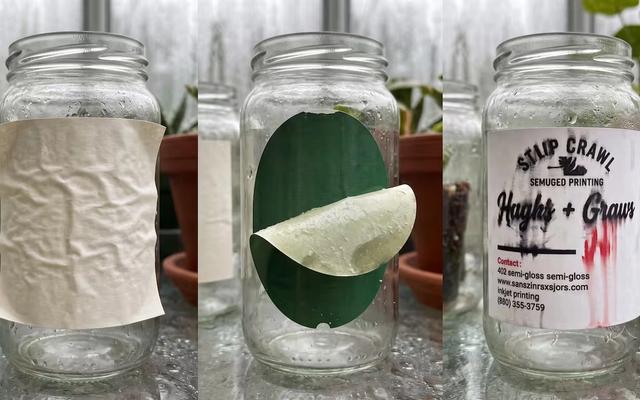
Humidity Challenges
Optimized water-based ink drying systems with dehumidification for coastal conditions
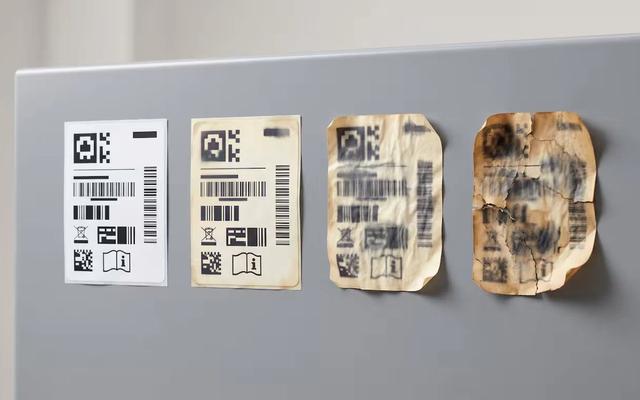
Temperature Extremes
Ink formulations maintaining viscosity stability across 15-50°C temperature range
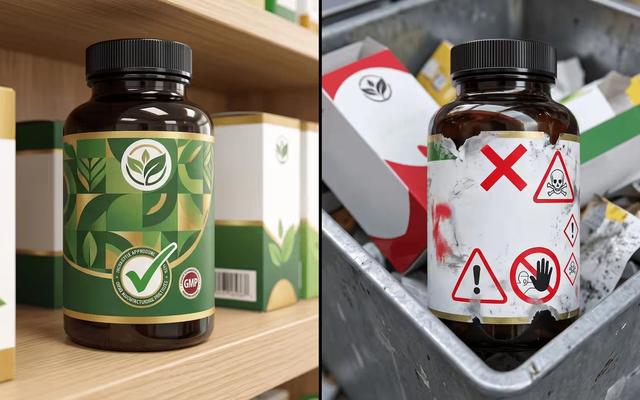
Regulatory Compliance
Meeting UAE, GCC, FDA, and EU standards for food contact and pharmaceutical applications
Environmental & Regulatory Compliance
Meeting stringent safety standards for food contact, pharmaceutical, and environmental regulations
Food & Beverage Industry
Low VOC emissions (<5% for water-based)
- Zero VOC emissions (UV/LED systems)
- EU environmental compliance
- UAE sustainability alignment
Food Contact & Safety
- FDA CFR 175.105 compliance (USA)
- EU Regulation 10/2011 compliance
- Low-migration formulations
- Swiss Ordinance standards
Ready to start your label project?
Related Guides
Label Adhesive Guide: Types, Selection & UAE Climate
Complete guide to label adhesive types: permanent, removable, freezer-grade, high-temp. Expert selection framework for UAE climate conditions.
Read moreLabel Design Guide
Complete guide to label design, dielines, color management & file preparation. Expert insights for print-ready artwork. Free design support included.
Read moreLabel Finishing Techniques Guide
Complete guide to label finishing: foiling, embossing, varnishing, lamination & die-cutting. Expert techniques for premium labels in UAE.
Read moreLabel Substrate Materials Guide
Complete guide to label substrates: paper, BOPP, PE, PET & specialty films. Compare specs, applications & UAE considerations for optimal label performance.
Read more